
Simply about the complex: Palliative care for physicians — training, 144 h | МЕДТРЕЙН Asia
Internal Medicine · Advanced

Simply about the complex: Palliative care for physicians

Palliative care without theory overload: clear algorithms for pain and symptom control that can be applied at the patient's bedside as early as tomorrow.

144academic hours
Advancedlevel
Distance learningmode of study

Course curriculum

  • Fundamentals of palliative care
  • Principles of palliative medicine and the concept of palliative medical care
  • Organization of palliative medical care in the Russian Federation
  • Palliative care for adults and children
  • Types of palliative medical care
  • Palliative medical care in non-oncological diseases
  • Palliative medical care in oncological diseases
  • Palliative care for children: basic concepts, history, problems, ways to solve them, questions
  • Ethical and legal aspects of the relationship with a terminally ill patient
  • Regulatory and legal aspects of palliative medical care
  • General principles of palliative care
  • Decision-making and criteria for the need for palliative care in adults
  • Structure of palliative care organization in a healthcare facility
  • Home care. Mobile palliative medical care teams
  • Palliative care in inpatient settings
  • Common distressing symptoms and methods of their relief
  • Treatment of chronic pain
  • Respiratory support in palliative care
  • Psychosocial and spiritual aspects of providing palliative care
  • Communication with patients, relatives and the immediate circle
  • Professional communication of a healthcare worker
  • Interaction of related structures at the stage of providing palliative care
  • Social support at the palliative stage
  • Rehabilitation programs for palliative patients
  • Spiritual forms of support
  • Charity and its types

A difficult conversation, uncontrolled pain, a sense of helplessness beside a dying patient — familiar situations that are not taught in residency. The course brings together step-by-step protocols for pain management and relief of distressing symptoms and translates a complex topic into the language of everyday clinical practice.

You will make end-of-life decisions more confidently, calmly guide the family and colleagues, and rely on modern principles of palliative care rather than on intuition.

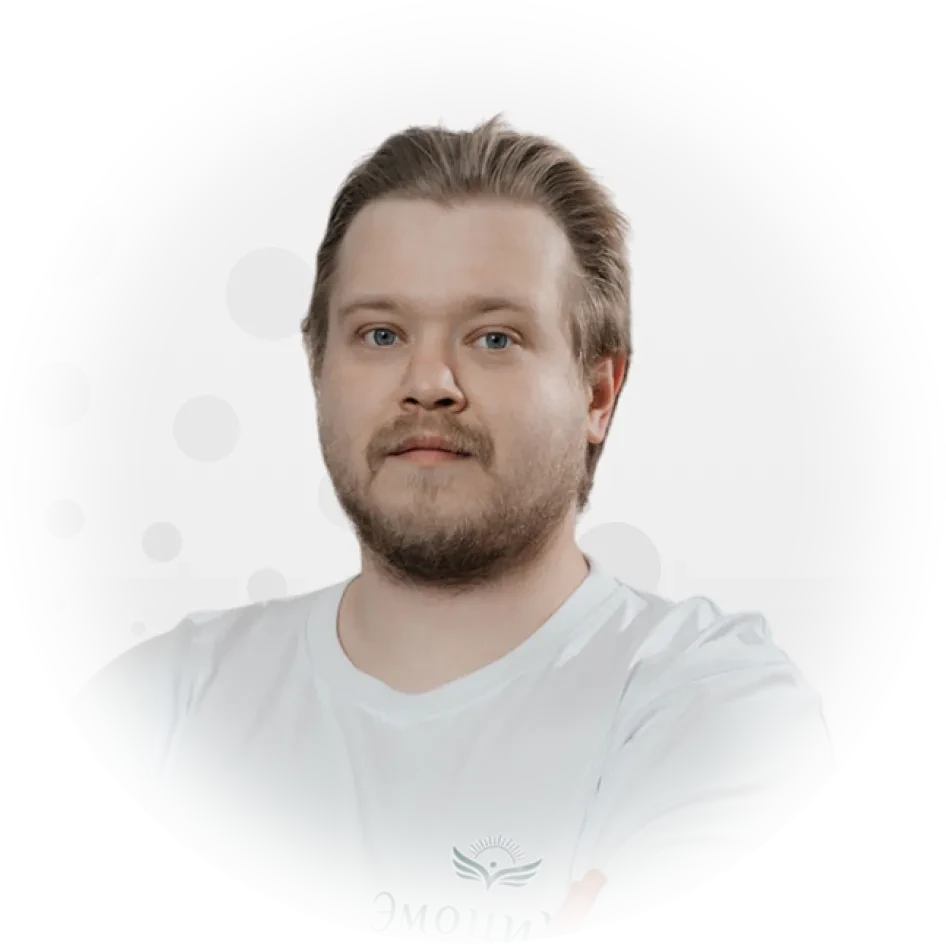
Knizhnikova Olga Egorovna

Internist of the palliative care department

Internist working in the palliative care department, which defines his applied experience in managing patients at this stage of treatment. Useful for learners who value the issues of therapy and palliative care in the general medical network.

Therapist of the palliative care department.

Education

  • Kirov State Medical University, specialty «General Medicine»
  • Ural State Medical University, specialty «Internal Medicine»

Continuing education

  • Palliative care in the general medical network
  • Examination of temporary disability
  • «Selected topics in internal medicine»

Open Instructor Page →

These courses may interest you

Advanced
Internal Medicine24 ч

The ideal appointment system: how to improve treatment adherence and patient retention

Turn one-off visits into systematic work: learn to structure the appointment so that patients follow prescriptions and return.

Shabanova T.N. Learn More
Advanced
Internal Medicine36 ч

Post-traumatic stress disorder: a comprehensive approach to diagnosis, treatment and interaction with patients

Confidently recognize and support patients with PTSD: modern diagnosis, therapy, and effective communication in one course.

Kiselev V.R. Learn More
Advanced
Internal Medicine36 ч

Diagnosis and treatment of lower extremity venous diseases

From the first examination to choosing tactics: a systematic analysis of the diagnosis and treatment of lower limb venous pathology in physician practice.

Lunkashu E.Y. Learn More
Спросить Alex Отвечу на любой вопрос · 24/7 · на любом языке