
Endocrinology in gynecological practice — training, 144 h | МЕДТРЕЙН Asia
Endocrinology · Advanced

Endocrinology in gynecological practice

A systematic view of endocrinology for the gynecologist: from interpreting the hormonal profile to a well-calibrated management strategy.

144academic hours
Advancedlevel
Distance learningmode of study

Course curriculum

  • The menstrual cycle and its regulation, what is important to know for diagnosing menstrual function disorders (Five levels of regulation: the relationship of the clinical picture with physiological and biochemical processes. Ovaries: definitions of the concept of folliculogenesis, stages of follicle development, physiology of folliculogenesis processes. Growth factors (Insulin-like growth factors (hereinafter – IGF) I, II; epidermal growth factor (hereinafter – EGF), vascular endothelial growth factor (hereinafter – VEGF); transforming growth factors (hereinafter – TGF) α and β and their role in the folliculogenesis process. Uterine cycle: proliferation stage, secretion stage, and desquamation stage (menstruation).)
  • Menstrual function disorders: diagnosis, differential diagnosis, basic principles of therapy. (Definition of the concept of menstrual function disorder. Etiology and pathogenesis of menstrual function disorders. Biochemical regulation of hormonal function. Classification and clinical forms: hypomenstrual and hypermenstrual syndromes, amenorrhea. Abnormal uterine bleeding.)
  • Polycystic ovary syndrome: etiology, pathogenesis, diagnosis and differential diagnosis (Definition of the concept of polycystic ovary syndrome. Etiology, epidemiology and pathogenesis of the syndrome. Classification, clinical forms, diagnostic criteria (clinical, ultrasound, biochemical), differential diagnosis. Basic principles of formulating a clinical diagnosis.)
  • Therapy for polycystic ovary syndrome: restoration of menstrual function, treatment of infertility. Obstetric aspects of polycystic ovary syndrome (Treatment of obesity and insulin resistance, prescription of insulin sensitizers (treatment regimens) and other agents promoting weight loss: indications, contraindications, side effects. Basic principles of syndrome therapy: basic principles of prescribing oral contraceptives and progesterone medications (indications and conditions)
  • Congenital adrenal hyperplasia: etiopathogenetic mechanisms of formation, diagnosis and differential diagnosis (Definition. Etiology. Pathogenetic mechanisms of formation. Epidemiology. Classification. Diagnosis, including laboratory diagnosis of various forms of congenital adrenal hyperplasia and their differential diagnosis. Clinical presentation.)
  • Congenital adrenal hyperplasia: treatment, features of pregnancy management and monitoring of newborns (Treatment, including surgical. Dispensary observation and monitoring of complications. Pregnancy in congenital adrenal hyperplasia. Prenatal diagnosis and therapy. Organization of medical care for newborns)
  • Hyperprolactinemia syndrome in gynecological practice (Definition. Etiology and pathogenesis. Epidemiology. Diagnosis and differential diagnosis. Prolactin-secreting pituitary tumors. Treatment: medical, surgical, radiotherapy. Prolactinoma and pregnancy. Management of patients with hyperprolactinemia in postmenopause)
  • Climacteric syndrome: etiopathogenesis, early-term disorders (Diagnosis: anamnesis, laboratory, instrumental diagnosis. Determination of the severity of climacteric disorders.)
  • Climacteric syndrome: mid-term and late-term disorders (Mid-term and late-term disorders: laboratory and instrumental diagnosis, differential diagnosis.)
  • Therapy for climacteric syndrome and menopausal symptoms (Treatment: hormonal and non-hormonal therapy. Indications, choice of treatment regimen, duration, contraindications, side effects, and complications. Features of treating metabolic complications. Physiotherapeutic treatment methods. Prevention. Contraception in perimenopause. Menopausal hormone replacement therapy in endometriosis and uterine fibroids. Menopausal hormone replacement therapy in early and premature menopause)
  • Infertility: main factors, diagnosis and treatment (Diagnosis depending on the form of infertility, differential diagnosis: history, physical examination methods, laboratory and instrumental diagnostic methods, other diagnostic methods. Treatment of infertility: non-pharmacological, pharmacological and surgical treatment methods.)
  • Endometriosis: staging diagnosis (Clinical classifications of endometriosis. Clinical presentation of the disease. Diagnosis: history-taking, physical examination methods, laboratory and instrumental diagnostic methods, other diagnostic methods. Treatment of endometriosis: non-pharmacological, pharmacological, and surgical treatment methods.)
  • What you need to know for treating infertility in endometriosis (Infertility treatment: non-pharmacological, pharmacological and surgical methods of treatment. Preparation and application of assisted reproductive technology methods. Recommendations for preventing complications of assisted reproductive technologies.)
  • Uterine fibroids from the perspective of a gynecologist-endocrinologist: main approaches to therapy (Clinical picture of the disease. Diagnosis: history, physical examination methods, laboratory and instrumental diagnostic methods, other diagnostic methods. Treatment of fibroids: medical and surgical methods. Uterine fibroids and pregnancy. Fibroids and assisted reproductive technologies. Uterine fibroids in postmenopause. Fibroids and cancer)
  • Luteal phase deficiency and infertility: diagnosis, main approaches to therapy (Functional and receptor characteristics of the endometrium. Assessment of the receptor apparatus. The role of natural killers, oxidative stress, stem cells and neoangiogenesis in the development of luteal phase deficiency. Main approaches to therapy aimed at increasing the effectiveness of assisted reproductive technologies.)

A gynecologist increasingly has to work at the intersection with the thyroid gland, prolactin, insulin resistance and the adrenal glands, while there is no specialist nearby. The program brings these topics together into a single logic and provides practical management schemes for related endocrine pathology right at the appointment.

You will navigate hormonal interconnections calmly and make decisions without unnecessary referrals, increasing patient trust and the quality of follow-up.

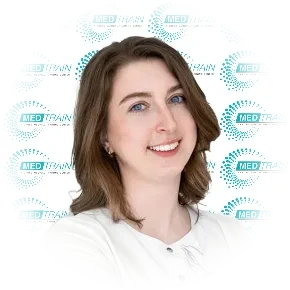
Savochkina Yulia Vladimirovna

Obstetrician-gynecologist for emergency care

Candidate of Medical Sciences, an emergency-service obstetrician-gynecologist with 23 years of experience and extensive participation in international congresses on reproduction and menopause. Her strength lies in emergency conditions in obstetrics and gynecology, which is especially valuable for learners who work with high-risk patients.

Obstetrician-gynaecologist for emergency care of the obstetric-physiological department of the Healthcare Institution "5th City Clinical Hospital of Minsk", Candidate of Medical Sciences. Total work experience — 23 years.

Education

  • 1998 — Faculty of General Medicine, Minsk State Medical Institute
  • 2001 — clinical residency in the specialty "Obstetrics and Gynaecology"

Professional development

  • "Haemorrhage in obstetric and gynaecological practice"
  • "Extragenital pathology in pregnancy and gynaecological diseases"
  • "Diagnostic and therapeutic laparoscopy in emergency surgery"
  • "Modern aspects of managing various forms of gestosis"
  • "Modern tactics for managing and delivering high-risk pregnant women with a course of ultrasound diagnostics"
  • "Ultrasound diagnostics in obstetrics and gynaecology"

Experience and place of work

She participated as an attendee, speaker and session moderator in international forums: the 8th–12th Congresses of the European Menopause and Andropause Society (EMAS); the 13th–17th World Congresses of Gynecological Endocrinology (ISGE); the 25th and 26th World Congresses on Controversies in Obstetrics, Gynecology and Infertility (COGI); the 13th World Congress on Menopause; the annual meeting of the American College of Obstetricians and Gynecologists (2013); the World Congress of the International Federation of Gynecology and Obstetrics FIGO (2018). She is one of the initiators of the establishment of the Belarusian Public Medical Association for Human Reproduction, within which the International Interdisciplinary Congress "Problems of Reproduction: Innovative Technologies in Reproductive Medicine" is held annually.

Open Instructor Page →

These courses may interest you

Advanced
Endocrinology144 ч

Reproductive health in childhood and adolescence. Endocrine disorders and their correction

Pediatric and adolescent gynecology-endocrinology: how to recognize and properly correct reproductive health disorders in time.

Feigina A.M. Learn More
Advanced
Endocrinology144 ч

Endocrine disorders in gynecology

Understand the hormonal causes of gynecological disorders and learn to select therapy where the standard regimen does not work.

Shchepetova M.S. Learn More
Advanced
Endocrinology144 ч

Endocrinology in gynecological practice

A systematic view of endocrinology for the gynecologist: from interpreting the hormonal profile to a well-calibrated management strategy.

Savochkina Y.V. Learn More
Спросить Alex Отвечу на любой вопрос · 24/7 · на любом языке