
The ideal appointment system: how to improve treatment adherence and patient retention
Turn one-off visits into systematic work: learn to structure the appointment so that patients follow prescriptions and return.

The word as a physician's tool: non-pharmacological techniques for early detection, prevention and productive communication with the patient.
Much of the treatment outcome is determined not by the medication, but by how the physician talks with the patient, notices early signals and builds prevention. The course is dedicated to non-pharmacological interaction with the patient: early detection of problems, preventive work and productive communication during the appointment.
You will master practical conversation techniques that increase the patient's trust and engagement in their own health, without manipulation or pressure. After training, you will more confidently build rapport and turn communication into a real therapeutic resource.
Therapist
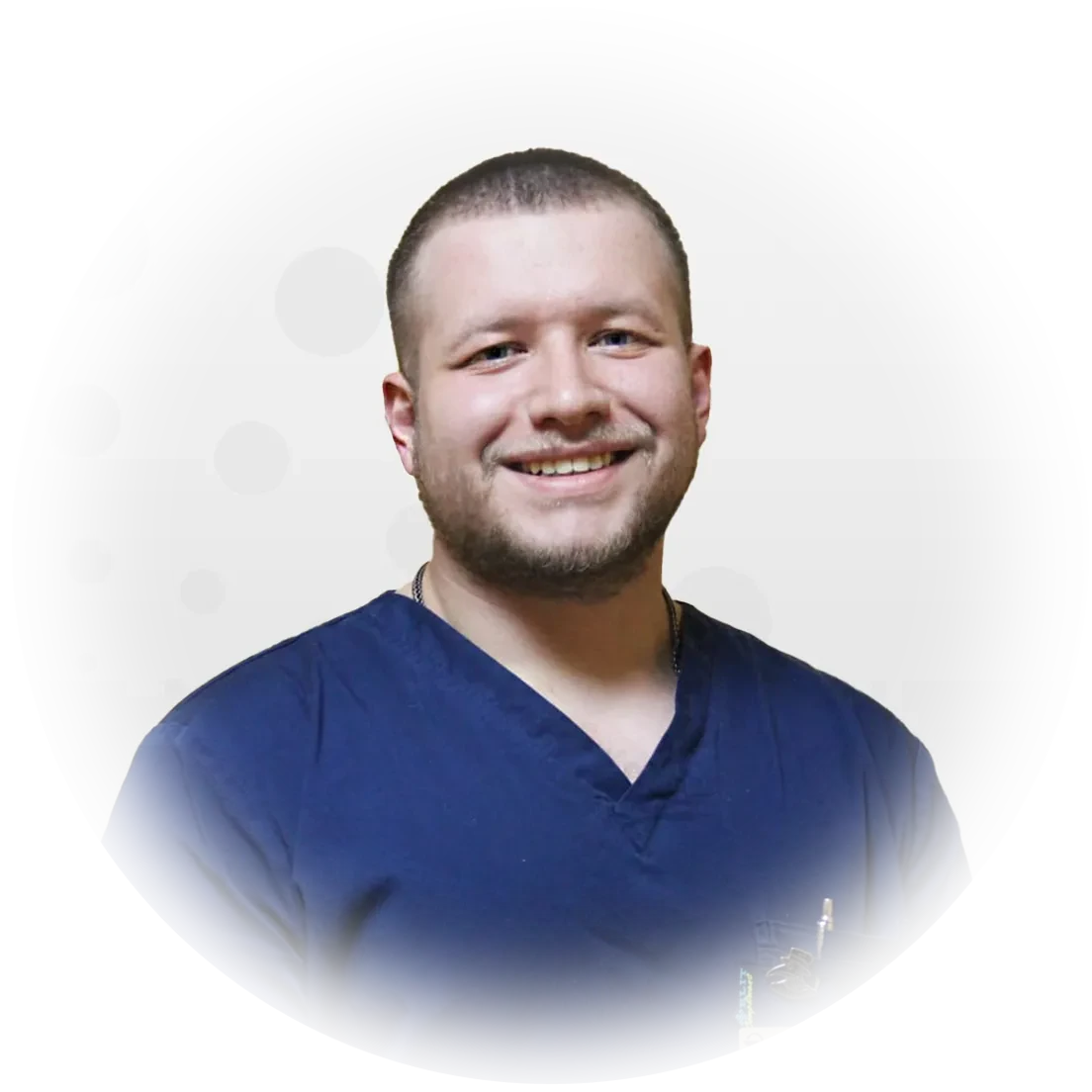
A practicing internist with five years of experience and basic training at the Ural State Medical University. Will be valuable to learners as a primary-care internal medicine specialist.
Internist. Work experience — 5 years.
Turn one-off visits into systematic work: learn to structure the appointment so that patients follow prescriptions and return.
Confidently recognize and support patients with PTSD: modern diagnosis, therapy, and effective communication in one course.
From the first examination to choosing tactics: a systematic analysis of the diagnosis and treatment of lower limb venous pathology in physician practice.