Musculoskeletal ultrasound diagnostics: joints, nerves, scanning techniques and clinical cases — training, 144 h | МЕДТРЕЙН Asia
Musculoskeletal ultrasound · Expert

Musculoskeletal ultrasound diagnostics: joints, nerves, scanning techniques and clinical cases

Large cycle of musculoskeletal ultrasound: joints, nerves, scanning techniques and clinical cases.

144academic hours
Expertlevel
Distance learningmode of study

Course curriculum

  • Fundamentals of musculoskeletal ultrasound
  • Introduction to ultrasound scanning
  • Physics of ultrasound scanning
  • Assessment of ultrasound scanning quality
  • Ultrasound imaging of musculoskeletal structures
  • Ultrasound diagnostics of bones and periosteum
  • Ultrasound imaging of skeletal muscles
  • Tendon pathologies
  • Ultrasound anatomy of the peripheral nerves
  • Ultrasound examination of soft tissues and joint components
  • Application of ultrasound in rheumatology
  • Ultrasound diagnostics of the shoulder joint
  • Introduction to ultrasound diagnosis of the shoulder joint
  • Anatomy of the shoulder joint
  • Scanning techniques and ultrasound anatomy
  • Clinical and ultrasound aspects of diagnosis
  • Specific diseases and injuries of the shoulder joint
  • Injuries and pathologies
  • Ultrasound guidance and interventional procedures
  • Report generation and patient management tactics
  • Ultrasound diagnostics of the elbow joint
  • Anatomy and biomechanics of the elbow joint
  • Elbow scanning protocol
  • Ultrasound diagnosis of elbow fractures
  • Assessment of effusion in the elbow joint
  • Pathologies of the tendons and ligaments of the elbow
  • Neurological aspects
  • Ultrasound guidance for punctures and injections
  • Drafting an ultrasound report
  • Ultrasound diagnostics of the wrist joint
  • Technical requirements and objectives of the ultrasound examination
  • Anatomy of the wrist joint and hand
  • Ultrasound scanning protocol
  • Tenosynovitis and tendovaginitis
  • Injuries of Tendons, Ligaments, and Cartilaginous Structures
  • Peripheral nerves
  • Mass lesions on ultrasound
  • OMERACT recommendations
  • Ultrasound guidance during punctures and injections
  • Generating the examination report
  • Ultrasound diagnosis of the hip joint
  • Clinical assessment and ultrasound diagnosis
  • Normal anatomy of the hip joint
  • Scanning technique and ultrasound anatomy
  • Assessment of effusion and synovium
  • Ultrasound after arthroplasty
  • Assessment of the femoral head and neck
  • Muscle pathologies and tendinopathies
  • Sciatic nerve and piriformis muscle syndrome
  • Ultrasound guidance of punctures
  • Assessment of the pubic symphysis
  • Reporting and patient management
  • Ultrasound diagnostics of the knee joint
  • Technical aspects of ultrasound examination of the knee joint
  • Anatomy of the knee joint
  • Ultrasound scanning protocol
  • Synovial pathology and effusions
  • Specifics of knee diseases
  • Assessment of cartilage and menisci
  • Osteoarthritis of the knee joint
  • Ligaments and tendons of the knee
  • The fat pad and its pathologies
  • Tibiofibular joint
  • Ultrasound guidance during punctures
  • Reporting, documentation, clinical guidelines
  • Ultrasound diagnostics of the ankle joint
  • Fundamentals of ultrasound examination of the ankle and foot
  • Anatomy of the ankle and foot
  • Scanning technique
  • Musculoligamentous apparatus
  • Achilles tendon
  • Synovial pathology
  • Bone and joint diseases
  • Foot and sole
  • Neurological aspects
  • Ultrasound guidance during punctures
  • Reporting and patient management
  • Ultrasound diagnosis of the abdominal wall and the osteochondral framework of the chest
  • Preparation and Technique of Ultrasound Scanning
  • Anatomy and ultrasound diagnostics
  • Abdominal wall hernias
  • Additional diseases of the abdominal wall
  • Management of patients with hernia
  • Assessment of the postoperative condition
  • Chest injuries and anomalies
  • Thoracic pathologies
  • Ultrasound navigation for procedures
  • Drafting an ultrasound report
  • Ultrasound diagnostics of peripheral nerves according to international standards
  • Introduction to ultrasound diagnosis of peripheral nerves
  • Anatomy and histology of peripheral nerves
  • Ultrasound scanning technique
  • Diagnosis of peripheral limb nerves
  • Pathology of the peripheral nerves
  • Mass lesions and injuries
  • Specific neurological problems
  • Modern diagnostic methods
  • Ultrasound guidance during procedures
  • Forming the report and patient management

A foundational 144-hour course covering MSK ultrasound in full — all joints, peripheral nerves, scanning techniques, and clinical case analysis. Systematic expertise in a single course.

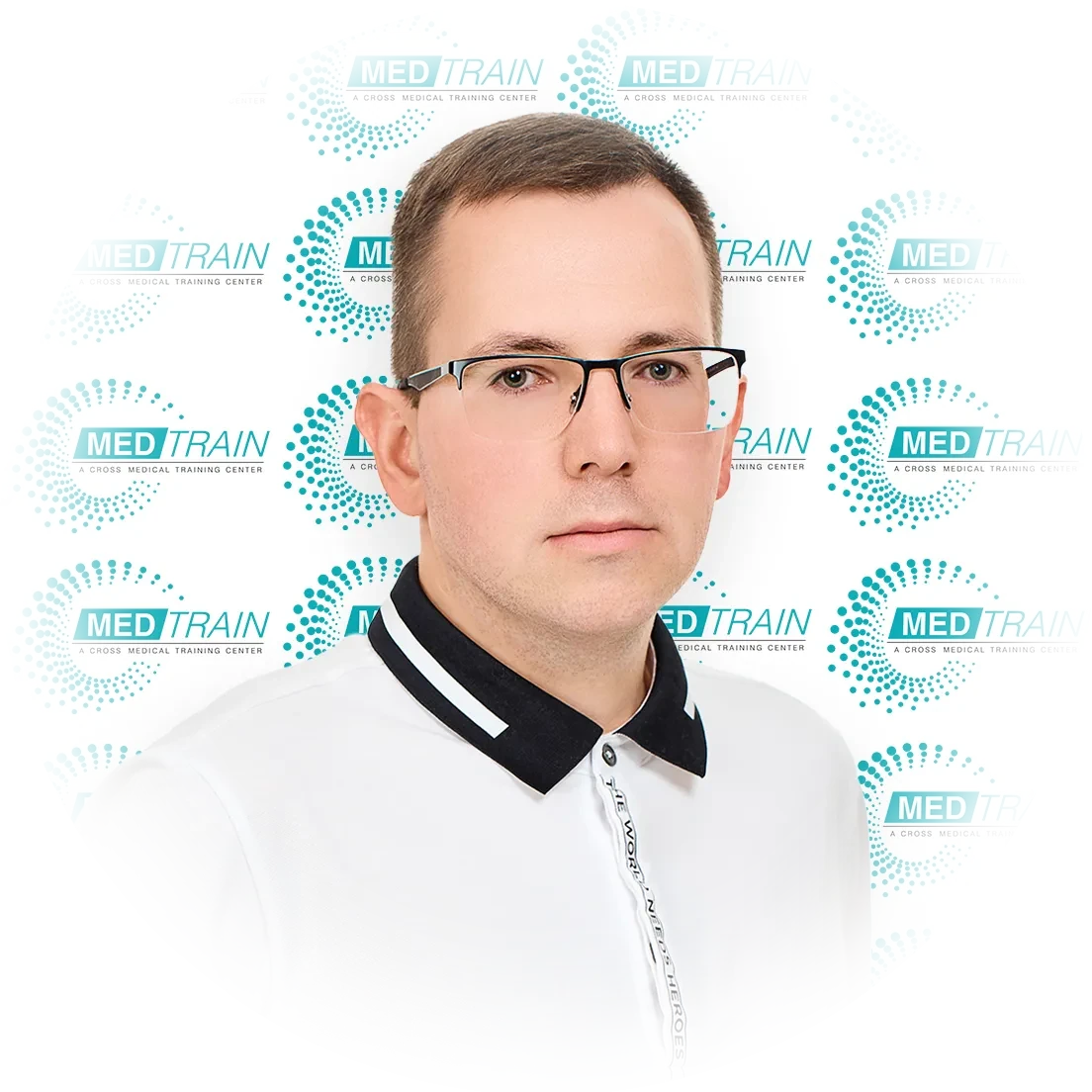
Knyazev Konstantin Andreevich

Leading instructor of the MEDTRAIN Training Center, physician in ultrasound and functional diagnostics

Ultrasound diagnostics physician, Member of the Eurasian Association of Ultrasound and Functional Diagnostics Specialists. Member of the European Federation of Societies for Ultrasound in Medicine and Biology.

Knyazev Konstantin Andreevich is a practising specialist with a foundational clinical background in internal medicine and many years of experience in ultrasound and functional diagnostics. He graduated from the Ural State Medical Academy with a degree in General Medicine (2012), completed an internship in internal medicine (2013), and subsequently underwent professional retraining in Ultrasound Diagnostics and Functional Diagnostics.

Konstantin Andreevich is a member of the Eurasian Association of Specialists in Ultrasound and Functional Diagnostics, as well as a member of the European Federation of Societies for Ultrasound in Medicine and Biology. A leading instructor at the MEDTRAIN Training Centre and chair of the examination board, he has developed and teaches more than 25 educational courses and training cycles devoted to the modern capabilities of ultrasound and functional diagnostics.

Konstantin Andreevich's professional interests include neurosonography, paediatric echocardiography with the diagnosis of congenital heart defects, ultrasound assessment of the lower-limb arteries, and ultrasound monitoring of arterial shunts and endovascular interventions. In his teaching he combines current international guidelines with clinical cases, paying particular attention to practical skills and the safe application of ultrasound techniques in real clinical practice.

Open Instructor Page →

These courses may interest you

Beginner
Musculoskeletal ultrasound16 ч

Introduction to ultrasound diagnosis of the musculoskeletal system

Introduction to musculoskeletal ultrasound: capabilities of the method, basic technique and normal appearance.

Yurkovsky D.S. Learn More
Beginner
Musculoskeletal ultrasound16 ч

Fundamentals of musculoskeletal ultrasound

Fundamentals of musculoskeletal ultrasound: normal anatomy of muscles, tendons, ligaments and joints.

Knyazev K.A. Learn More
Advanced
Musculoskeletal ultrasound48 ч

Ultrasound diagnosis of joints, tissues and bones

Comprehensive ultrasound diagnosis of joints, soft tissues and bones — from normal to pathology.

Yurkovsky D.S. Learn More
Спросить Alex Отвечу на любой вопрос · 24/7 · на любом языке