
Preventive cardiology 2024: pharmacological therapy, cardionutrition, cardiac rehabilitation — training, 36 h | МЕДТРЕЙН Asia
Cardiology · Advanced

Preventive cardiology 2024: pharmacological therapy, cardionutrition, cardiac rehabilitation

A modern view of preventive cardiology: drug therapy, cardionutritiology and cardiac rehabilitation in a unified system of working with the patient.

36academic hours
Advancedlevel
Distance learningmode of study

Course curriculum

  • Chronic heart failure (CHF): pathogenesis of different CHF phenotypes
  • Definition of CHF
  • Epidemiology of chronic heart failure in the Russian Federation
  • Etiology and pathogenesis of heart failure. Stages of chronic heart failure
  • Diagnosis formulation. Diagnosis of CHF
  • Clinical presentation of CHF. CHF diagnostic algorithm
  • Chronic heart failure (CHF): updated treatment standards
  • Treatment goals for a patient with CHF
  • Tasks facing the physician in treating patients with CHF
  • Evolution of pharmacological methods
  • Practical aspects of using drugs to treat CHF. Therapy recommended for patients with heart failure with reduced ejection fraction. Angiotensin-converting enzyme inhibitors. Therapy recommended for patients with heart failure with preserved ejection fraction. β-blockers. Treatment of CHF decompensation
  • Decompensation of CHF. Treatment algorithm for acute heart failure
  • Non-pharmacological treatment methods for CHF: diet therapy, lifestyle changes, rehabilitation
  • Dyslipidemia, atherosclerosis, cholesterol exposure and the concept of cardiovascular risk factors
  • Epidemiology of cardiovascular morbidity and mortality in the Russian Federation
  • The concept of cardiovascular risk. The concept of low-density lipoprotein cholesterol exposure
  • Cardiovascular risk assessment: clinical, laboratory and instrumental diagnosis of atherosclerosis
  • The new SCORE 2 scale and re-stratification of cardiovascular risk, instrumental diagnosis of atherosclerosis
  • Dyslipidemia and atherosclerosis: target levels of low-density lipoproteins and ways to achieve them
  • Modern lipid-lowering therapy. Algorithms for achieving target low-density lipoprotein cholesterol levels (Classes of lipid-lowering drugs in the Russian Federation. Lipid targets depending on cardiovascular risk. Drug therapy algorithm for achieving target low-density lipoprotein cholesterol levels)
  • Modern lipid-lowering therapy. Practical aspects of drug use (First-line lipid-lowering therapy. Myths about lipid-lowering therapy in the Russian Federation. Statins registered in the Russian Federation)
  • Non-pharmacological methods for lipid correction (Non-pharmacological measures for lipid correction: lifestyle modification)
  • Arterial hypertension (AH): which values are considered elevated? Pathogenesis. Epidemiology. Diagnosis
  • Which blood pressure (BP) values to consider normal. Definition of arterial hypertension. Stages of arterial hypertension. Epidemiology in the Russian Federation
  • Pathogenesis of arterial hypertension
  • Diagnosis and classification of arterial hypertension (AH). Cardiovascular risk assessment. Formulation of the diagnosis (Classification of in-office measured BP and definition of hypertension grades. Factors determining cardiovascular risk and disease stage in patients with AH. Stages of AH diagnosis. Examination to detect target-organ damage. Clinical indications for home blood pressure monitoring and ambulatory blood pressure monitoring)
  • Arterial hypertension: indications and goals of therapy. Selecting a medication based on current clinical guidelines
  • Indications for initiating antihypertensive therapy. Target blood pressure values (Scale for grading classes of recommendations. Initiation of antihypertensive therapy. Target blood pressure values depending on age and comorbidities)
  • Choice of medication. What's new in the guidelines (Management tactics for patients with arterial hypertension. Drug therapy strategy for the combination of AH and HF. Changes in the European clinical guidelines on AH)
  • Practical aspects of using different classes of antihypertensive drugs (Monotherapy vs combination. Contraindications to prescribing individual classes of antihypertensive drugs. Diuretics in the treatment of arterial hypertension. Hypertensive crisis)
  • Diagnosis and treatment of cardiovascular diseases during pregnancy
  • Adaptive changes during pregnancy (Adaptive changes occurring in a woman's body during a physiologically progressing pregnancy)
  • Arterial hypertension in pregnant women. (Complication. Classification of complications: Preeclampsia, Eclampsia. Drug therapy. Main medications)
  • Heart defects in pregnant women (Modified classification of maternal risk. WHO I, WHO II, III, IV)
  • Cardiac rhythm disorders in pregnant women (Extrasystole. Supraventricular tachycardias. Atrial fibrillation. Nutrition during pregnancy)
  • Patient with cardiovascular disease (CVD) and type 2 diabetes mellitus (T2DM): new prospects and therapeutic options
  • Diabetes mellitus – a cardiovascular disease. Pathogenesis of the vicious circle. (Cardiovascular complications in type 2 diabetes mellitus. Systemic inflammation, insulin resistance, type 2 DM and CVD. European Medicines Agency (EMA)
  • Management of diabetes and CVD. (Diagnosis of diabetes mellitus / prediabetes. ACC (American College of Cardiology). Primary prevention of cardiovascular disease in patients with diabetes mellitus. Drug therapy of CHD in patients with diabetes and prediabetes. Management of patients with diabetes, prediabetes and CHF. ACC / AHA 2019 guideline on primary prevention of CVD. ADA/EASD 2018: Second-line therapy in patients with type 2 diabetes with established atherosclerotic cardiovascular disease. Algorithm for individualized selection of therapy goals in elderly patients with diabetes by HbA1c
  • New antidiabetic drugs (Personalization of the choice of glucose-lowering drugs – new aspects for glucagon-like peptide-1 receptor agonists (GLP-1 RA). The targeted effect of GLP-1 RA and sodium-glucose cotransporter type 2 inhibitors (SGLT-2i) on the pathophysiological defects associated with T2DM
  • Principles of nutrition in diabetes mellitus (Diagnostic standard. Personalized diet therapy)
  • Cardiac patient with obesity: methods of influencing the components of the cardiometabolic continuum
  • Cardiometabolic continuum (CVD prevention. CVD risk factors. Obesity classification (WHO). Diagnostic criteria for abdominal obesity. Obesity and atherosclerosis. Pathogenesis)
  • Diagnostic standard and treatment goals for a patient with obesity and CVD (Laboratory diagnosis. Instrumental methods. Personalized diet therapy. Treatment of a patient with obesity. Body weight control)
  • Diet therapy of obesity (Diet therapy. Physical activity)
  • Medications for treating obesity (Orlistat. Sibutramine. Liraglutide)
  • Non-coronary myocardial diseases: myocarditis
  • Definition, epidemiology of myocarditis. ICD classification. (Gender-related features of myocarditis prevalence. ICD-10. Classification of myocarditis)
  • Diagnosis of myocarditis (Clinical presentation. Physical examination. Laboratory workup. Nonspecific markers. Markers of necrosis. Troponin I. Reference values. Instrumental diagnostic investigations)
  • Principles of myocarditis treatment (Treatment of myocarditis in patients with unstable hemodynamics. Immunosuppressive therapy of myocarditis. Rehabilitation in myocarditis)
  • Chest pain: coronary heart disease and other causes
  • Coronary syndromes (Coronary artery disease (CAD) — myocardial damage caused by impaired blood flow through the coronary arteries. Acute coronary syndrome. Classification of myocardial infarction. Myocardial infarction. Laboratory diagnosis. Features of the pain syndrome in coronary artery disease. Diagnostic algorithm in a patient with coronary artery disease)
  • Pulmonary embolism (Definition. Risk factors. Clinical presentation. Electrocardiography. Computed tomography. Echocardiography. Laboratory diagnostics. D-dimer. Principles of pulmonary embolism treatment)
  • Dissecting aortic aneurysm (Risk factors. Clinical presentation. Radiography. Transesophageal echocardiography. Multislice computed tomography of vessels (MSCT angiography) of the aorta. Diagnosis. Indications for surgical treatment)
  • Spontaneous pneumothorax (Definition. Main causes. Clinical presentation. X-ray diagnosis. Treatment)

Prevention of cardiovascular catastrophes is often reduced to formal recommendations that the patient does not follow. The course combines evidence-based drug therapy, cardionutrition, and rehabilitation, so you will gain a holistic system for reducing cardiac risk rather than scattered advice.

You will work more confidently with modifiable risk factors and patient adherence, building prevention that truly changes the prognosis, based on current 2024 approaches.

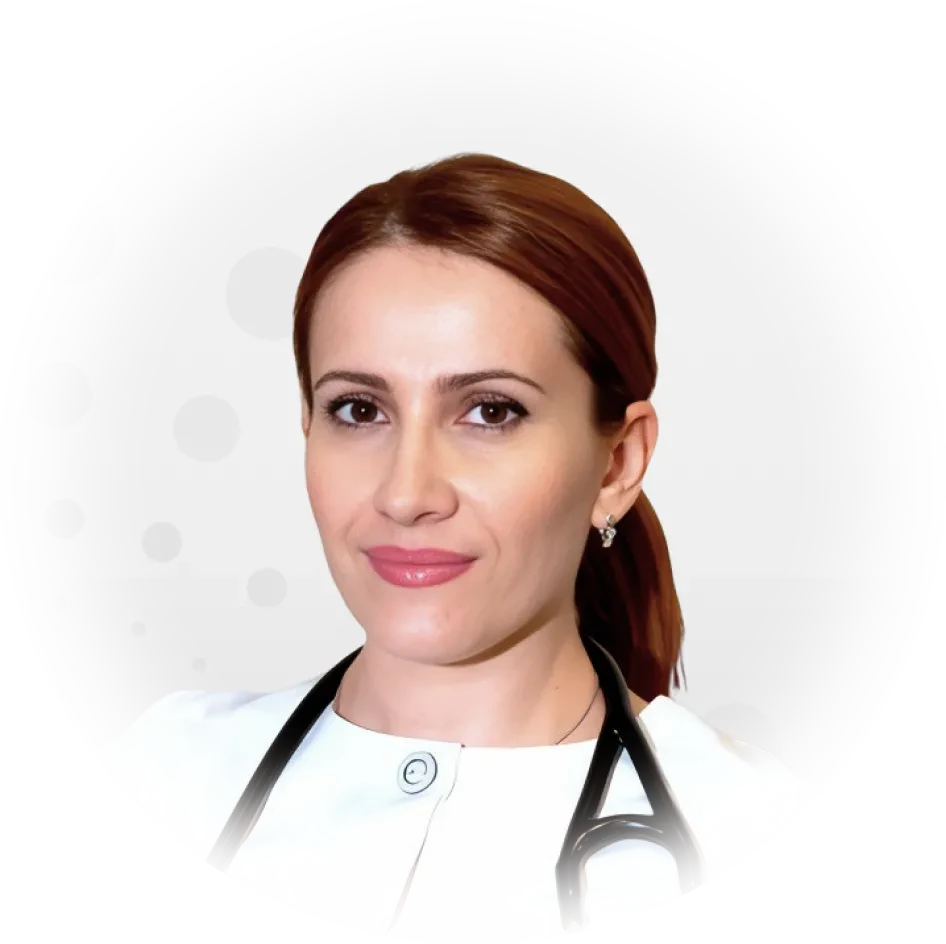
Polenova Natalia Valerievna

Family physician, internist, cardiologist, geriatrician, Candidate of Medical Sciences

Candidate of Medical Sciences, family physician combining the competencies of a therapist, cardiologist, and geriatrician. She trained at leading Russian clinics and completed international internships, which provides a broad, including international, perspective on patient management.

Family doctor, internist, cardiologist, geriatrician, Candidate of Medical Sciences. Twenty-one years of work experience.

Education

  • 2002 — I. M. Sechenov Moscow Medical Academy, “General Medicine”
  • 2004 — residency, I. M. Sechenov MMA, A. A. Ostroumov Department of Hospital Therapy No. 1, “Internal Medicine”
  • 2009 — postgraduate studies, Research Institute of Physico-Chemical Medicine of the Ministry of Health of the Russian Federation, Laboratory of Clinical Cardiology headed by Prof., D.M.Sc. N. A. Gratsiansky, “Cardiology”
  • 2017 — internship, N. I. Pirogov RNRMU, V. A. Tabolin Department of Hospital Pediatrics, “Pediatrics”

Continuing education

  • 2004 — primary specialization in “Sports Medicine”, Evdokimov Moscow State University of Medicine and Dentistry
  • 2012 — “Good Clinical Practice”, N. I. Pirogov RNRMU, Department of Clinical Pharmacology
  • 2013 — advanced training in “Endocrinology and Diabetology”, Evdokimov Moscow State University of Medicine and Dentistry
  • 2018 — professional retraining in “Dietetics”, European University “Business Triangle”

Experience and place of work

Has experience of practice abroad: in 2022 she completed an internship in the specialty “internal medicine” at Klinikum Westfalen GmBH (Dortmund), as well as DEGUM-Sonographie / Grundkurs training at Vinzenz-Krankenhaus (Düsseldorf).

Open Instructor Page →

These courses may interest you

Advanced
Cardiology144 ч

Clinical cardiology

Systematic update of knowledge on the key areas of clinical cardiology for confident bedside decisions.

Isaeva A.V. Learn More
Advanced
Cardiology18 ч

Inflammatory heart diseases in the cardiologist's practice

Myocarditis, pericarditis, and endocarditis: how not to miss cardiac inflammation and how to build a management strategy based on current clinical approaches.

Davydova A.V. Learn More
Advanced
Cardiology48 ч

Rehabilitation after myocardial infarction and coronary artery bypass grafting at the outpatient stage

Outpatient rehabilitation after infarction and bypass surgery: ready-made management protocols that reduce the risk of recurrent events and return the patient to normal life.
Ayrapetyan L.A. Learn More
Спросить Alex Отвечу на любой вопрос · 24/7 · на любом языке