
Selected topics in practical urology — training, 144 h | МЕДТРЕЙН Asia
Urology · Advanced

Selected topics in practical urology

A concentrate of practical urology: analysis of complex and borderline cases where the nuances of management matter, not textbook schemes.

144academic hours
Advancedlevel
Distance learningmode of study

Course curriculum

  • Inflammatory diseases of the urinary system organs
    • — • inflammatory diseases of the bladder (Lower urinary tract infections: cystitis (acute, chronic). Classification of cystitis. Pathogenesis. Asymptomatic bacteriuria. Diagnosis. Laboratory and instrumental diagnostics. Clinical manifestations)
    • — • inflammatory diseases of the kidneys (Pyelonephritis: etiology, classification, diagnosis, factors aggravating the disease. Clinical guidelines. Surgical treatment. Destructive forms. ICD-10. Clinical manifestations of acute and chronic pyelonephritis. Laboratory and instrumental diagnostics. Hydronephrosis, Pyonephrosis. Assessment of the clinical effect. Complications.)
    • — • inflammatory diseases of the prostate gland (Prostatitis: etiology, pathogenesis, routes of penetration, classification, diagnosis: physical, laboratory, instrumental. Complications. Prostate abscesses. ICD-10. Classification of prostatic sclerosis)
    • — • inflammatory diseases of the scrotal organs (Orchiepididymitis: etiology, pathogenesis, predisposing factors, classification, diagnosis: physical, laboratory, instrumental, treatment, complications. Balanoposthitis: etiology, pathogenesis, predisposing factors, classification, diagnosis: physical, laboratory, instrumental, treatment, complications)
    • — • tuberculosis of the genitourinary system (Nephrotuberculosis. Diagnosis. Treatment. Choice of drugs. Criteria.)
  • Injuries of the genitourinary system (Classification. Features of injuries.)
    • — • injuries of the male genital organs (Types. Clinical manifestations. Diagnosis. Treatment)
    • — • urethral injuries (Types. Symptoms and signs of urethral injury. Diagnosis of urethral injury. Treatment of urethral injury)
    • — • bladder injuries (Types. Symptoms and signs of bladder injury. Diagnosis of bladder injury)
    • — • ureteral injuries (Causes. Classification. Symptoms)
    • — • kidney injuries (Mechanical injuries of the kidney. Types of classifications. Diagnosis)
  • Urolithiasis (etiology, pathogenesis, classification and complications. ICD classification. Complications. Diagnosis. Urethrocystoscopy, ureterorenoscopy. Conservative treatment of acute conditions of urolithiasis. Percutaneous nephrolitholapaxy. Extracorporeal lithotripsy)
    • — • benign neoplasms of the male genital organs (benign prostatic hyperplasia. Pathogenesis. Classification. Pathogenesis. Guyon classification. Diagnosis: laboratory, instrumental. Surgical treatment. Complications.)
  • Malignant tumors
    • — • kidney cancer (Etiology. ICD-10 classification. Classification by the TNM system. WHO 2004 histological classification.)
    • — • bladder cancer (Predisposing factors. Pathogenesis. Classification: morphological, ICD-10, WHO grades of bladder cancer anaplasia, by the TNM system. Stages. Diagnosis: calculation of the Charlson comorbidity index, Calculation of recurrence and progression risk scores, Calculation of recurrence risk, Calculation of progression risk. Markers.)
    • — • prostate cancer (Etiology. Pathogenesis. ICD-10 classification. Diagnosis. Treatment. Complications. PIRADS grading scale for T2-WI. PI-RADS grading scale for DWI. Radiation therapy)

In real practice, the urologist more often encounters not the classic textbook picture, but borderline situations that require a balanced decision. The course brings together selected clinical analyses and controversial issues of diagnosis and management that the specialist faces every day.

The material is built on an evidence-based approach and the experience of practising experts, so you will make decisions more confidently in non-standard cases and substantiate your tactics to colleagues and patients.

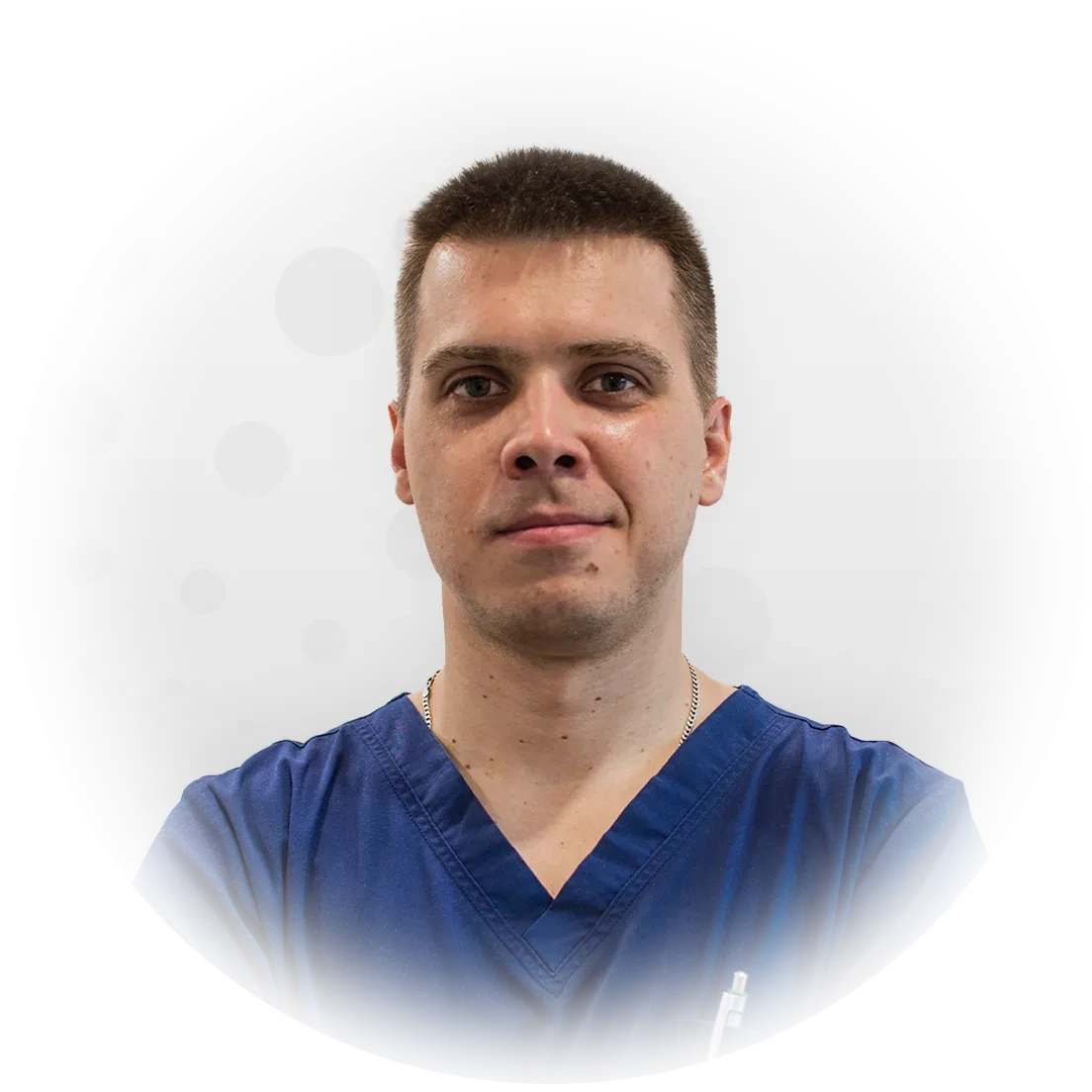
Arkanov Leonid Vladimirovich

Candidate of Medical Sciences, physician of the highest category, head of the urology department

Candidate of Medical Sciences and physician of the highest category, heading the urology department of a city hospital in Yekaterinburg. Nearly three decades of practice and advanced training in endoscopic urology make his experience valuable for learners of the relevant specialty.

Candidate of Medical Sciences, physician of the highest category, head of the urology department at Municipal Clinical Hospital No. 14, Yekaterinburg. Total work experience — 28 years.

Education

  • 1993 — Ural State Medical Academy, specialty "General Medicine"; internship in "Internal Medicine"

Additional training

  • Endosurgical urology
  • Certification in the specialty "Urology, endoscopy"
  • Specialization in "General urology"
  • Operative and endoscopic urology
  • Specifics of providing medical services in a private medicine setting

Open Instructor Page →

These courses may interest you

Advanced
Urology24 ч

Minimally invasive and endoscopic methods of treating urolithiasis

Modern minimally invasive and endoscopic treatment methods for urolithiasis: analysis of indications, techniques and selection of optimal management.
Salaznikov A.V. Learn More
Advanced
Urology18 ч

General questions of neurourology

A systematic analysis of neurogenic urinary tract dysfunction: from urodynamics to tactical choice, so you can confidently manage the most challenging patients.

Makov P.S. Learn More
Advanced
Urology144 ч

Selected topics in practical urology

A concentrate of practical urology: analysis of complex and borderline cases where the nuances of management matter, not textbook schemes.

Arkanov L.V. Learn More
Спросить Alex Отвечу на любой вопрос · 24/7 · на любом языке