General questions of neurourology — training, 18 h | МЕДТРЕЙН Asia
Urology · Advanced

General questions of neurourology

A systematic analysis of neurogenic urinary tract dysfunction: from urodynamics to tactical choice, so you can confidently manage the most challenging patients.

18academic hours
Advancedlevel
Distance learningmode of study

Course curriculum

  • Neurourology as a science. Which patients are indicated for a neurourologist consultation?
    • — • Neuro-urology as a science
    • — • Nervous regulation of urination
    • — • Which patients are indicated for neuro-urological management?
    • — • Examination methods in neuro-urology
    • — • Physical examination methods
    • — • Laboratory examination methods
    • — • Instrumental non-invasive examination methods
    • — • Instrumental invasive examination methods
  • Main urological syndromes in patients with nervous system disease
    • — • Storage symptoms
    • — • Urinary incontinence
    • — • Voiding symptoms
    • — • Relationship between the level of nervous system damage and urination disorders
    • — • Detrusor overactivity
    • — • Detrusor overactivity: physical examination
    • — • Detrusor overactivity: laboratory diagnosis
    • — • Detrusor overactivity: instrumental diagnosis
    • — • Hypotonia of the bladder detrusor
    • — • Hypotonia of the bladder detrusor: physical examination
    • — • Hypotonia of the bladder detrusor: laboratory diagnosis
    • — • Hypotonia of the bladder detrusor: instrumental diagnosis
  • Complications of neurogenic urination disorders
    • — • Voiding symptoms
    • — • Chronic urinary retention
    • — • Bladder stones
    • — • Bladder diverticula
    • — • Ureterohydronephrosis
    • — • Chronic kidney disease
    • — • Urinary tract infections
    • — • Storage symptoms: urinary incontinence
    • — • Autonomic dysreflexia
  • Treatment of urological symptoms in patients with nervous system diseases
    • — • Storage symptoms: therapeutic objectives
    • — • M-cholinergic blockers: mechanism of action, contraindications and side effects, specific examples
    • — • Beta-3 adrenergic agonists: mechanism of action, contraindications and side effects, specific examples
    • — • Botulinum toxin therapy
    • — • Tibial and sacral neuromodulation in the treatment of storage symptoms
    • — • Voiding symptoms: therapeutic objectives
    • — • Alpha-blockers: mechanism of action
    • — • Alpha-blockers: contraindications and side effects
    • — • Alpha-blockers: specific examples
    • — • Methods of bladder emptying
    • — • Intermittent bladder catheterization
    • — • Permanent bladder catheterization
    • — • Epicystostomy drainage
    • — • Sacral neurostimulation in the treatment of voiding symptoms
  • Urination disorders in patients with brain and spinal cord injury
    • — • Relationship between the level of CNS injury and urination disorders
    • — • TBI: statistics
    • — • TBI: classification
    • — • TBI: Periods
    • — • TBI: variants of urination disorders
    • — • Clinical example 1
    • — • SCI: statistics
    • — • SCI: classification
    • — • SCI: periods
    • — • Correlation of vertebrae and spinal cord segments
    • — • Clinical example 2
  • Urological aspects of brain diseases (stroke, dyscirculatory encephalopathy, Parkinson's disease, Alzheimer's disease)
    • — • Acute cerebrovascular accident: statistics
    • — • Acute cerebrovascular accident: types of urination disorders
    • — • Acute cerebrovascular accident: action algorithm for impaired urination
    • — • Multiple sclerosis: statistics
    • — • MS: risk factors
    • — • MS: types of urination disorders
    • — • MS: tasks of the urologist
    • — • Clinical case
    • — • Parkinson's disease: definition
    • — • PD: statistics
    • — • PD: types of urination disorders
    • — • CNS diseases accompanied by cognitive deficit: statistics
    • — • CNS diseases accompanied by cognitive deficit: types of urination disorders
    • — • CNS diseases accompanied by cognitive deficit: approaches to treating impaired urination
  • Chronic pelvic pain syndrome. Interstitial cystitis
    • — • Concept of chronic pelvic pain
    • — • Urological phenotypes of CPPS
    • — • UPOINTS classification
    • — • Phenotyping of CPPS according to the UPOINTS classification
    • — • Interviewing a patient with chronic pelvic pain syndrome
    • — • Examination of a patient with chronic pelvic pain syndrome
    • — • Primary bladder pain syndrome (interstitial cystitis): concept
    • — • PMBS: etiology
    • — • PMBS: symptoms
    • — • Bladder pain syndrome: diagnosis
    • — • PMBS: pharmacological treatment
    • — • Bladder pain syndrome: hydrodistension and botulinum therapy
    • — • Bladder pain syndrome: neuromodulation
    • — • PMBS: surgical treatment

Urinary disturbances in neurological pathology often baffle the physician: complaints are blurred, causes are intertwined, and an error in management results in infections and a decline in the patient's quality of life. The course builds a clear algorithm for diagnosis and patient routing based on modern understanding of the neurophysiology of the lower urinary tract.

You will confidently interpret urodynamics, distinguish types of dysfunction and select therapy in a well-reasoned way. The program was prepared by practicing specialists and is based on current clinical guidelines, which makes the knowledge applicable at your very next appointment.

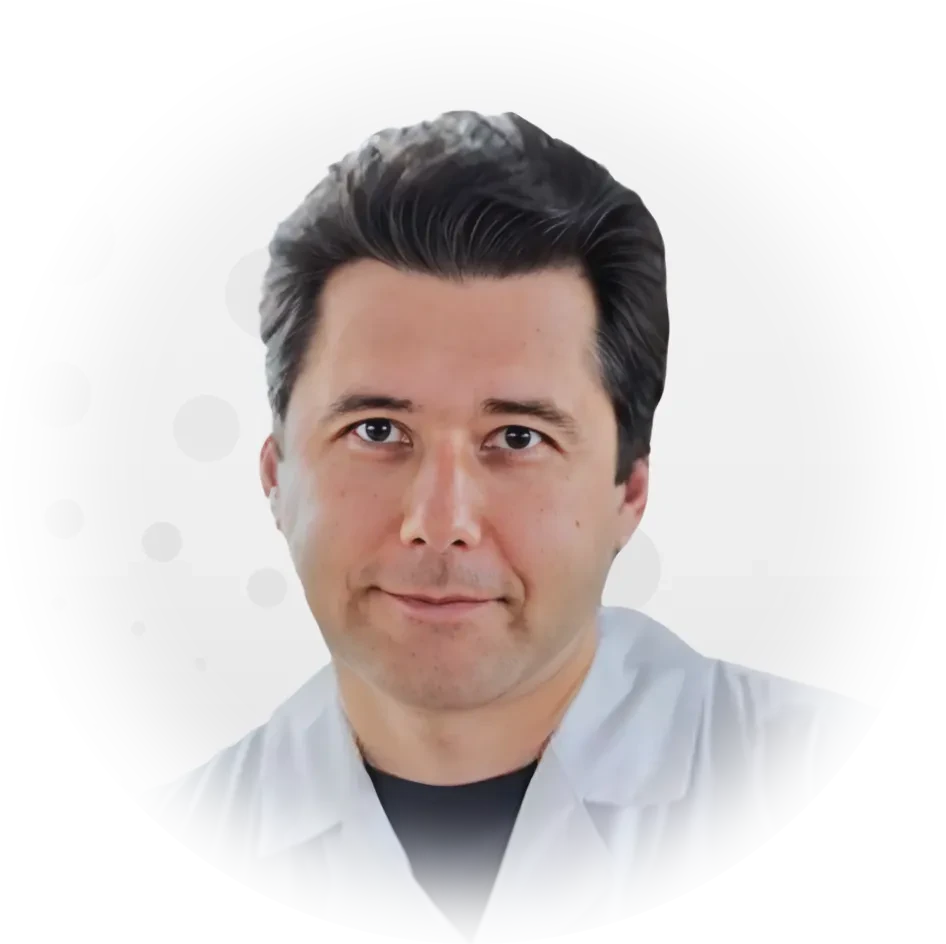
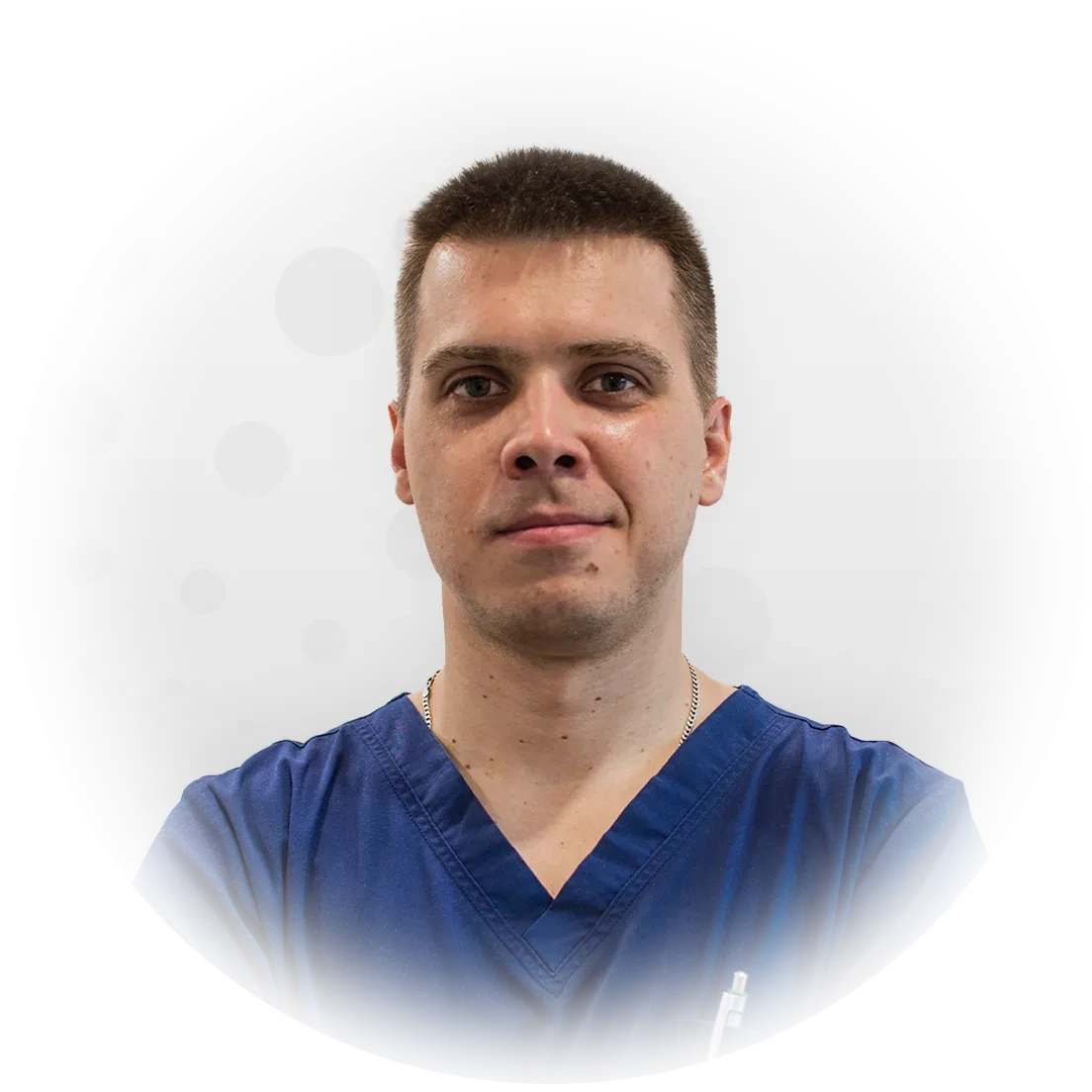
Makov Pavel Stanislavovich

Urologist, neurourologist

Urologist with additional specialization in neurourology and urodynamics, with nine years of clinical experience. He has completed several specialized courses in neurourology and andrology, which makes his materials useful for learners delving into functional disorders of the urinary system.

Makov Pavel Stanislavovich — urologist, neurourologist. Work experience — 9 years.

Education

  • 2014 — Yaroslavl State Medical Academy, specialty "General Medicine"
  • 2016 — Yaroslavl State Medical Academy, specialty "Urology"

Continuing education

  • 2018 — "Neurourology and Urodynamics"
  • 2018 — "Microbial-inflammatory diseases of the urinary system organs"
  • 2021 — "Practical Andrology"
  • 2022 — "Basic course of neurourology and urodynamics"

Open Instructor Page →

These courses may interest you

Advanced
Urology24 ч

Minimally invasive and endoscopic methods of treating urolithiasis

Modern minimally invasive and endoscopic treatment methods for urolithiasis: analysis of indications, techniques and selection of optimal management.
Salaznikov A.V. Learn More
Advanced
Urology18 ч

General questions of neurourology

A systematic analysis of neurogenic urinary tract dysfunction: from urodynamics to tactical choice, so you can confidently manage the most challenging patients.

Makov P.S. Learn More
Advanced
Urology144 ч

Selected topics in practical urology

A concentrate of practical urology: analysis of complex and borderline cases where the nuances of management matter, not textbook schemes.

Arkanov L.V. Learn More
Спросить Alex Отвечу на любой вопрос · 24/7 · на любом языке